
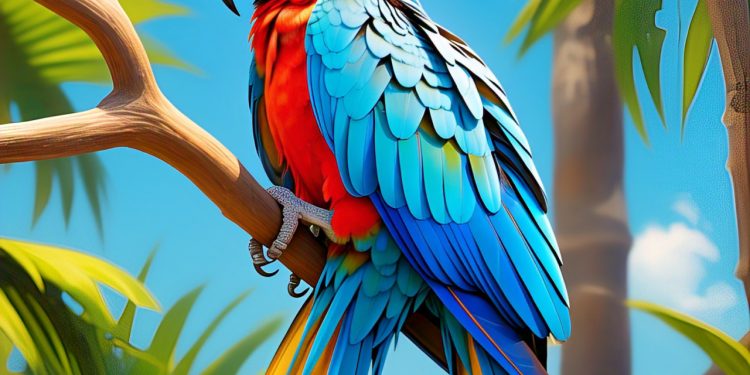
You’re at a pet store. You see a green parrot with a bright red chest. Is it Australian? Or from somewhere else? It matters — because where a parrot comes from affects its care, diet, and legal status.
About one in three of the world’s parrot species live in Australia. That’s roughly 56 species out of around 400 globally. But not every parrot you see in a cage or a zoo is a local. This guide names the 7 most common native Australian parrots, explains how to tell them apart from imports, and walks you through what to consider if you’re thinking about bringing one home.
Which Parrots Are Actually Native to Australia?
The short answer: Australia has 56 native parrot species. They range from the tiny Budgerigar (the classic pet parakeet) to the massive Black Cockatoo. Every state and territory has at least a few native species.
Here are the 7 you’ll most often see in homes, aviaries, and wildlife parks:
| Species | Size | Lifespan (captivity) | Noise Level | Best For |
|---|---|---|---|---|
| Budgerigar | 18 cm (7 in) | 5–10 years | Low | First-time owners, apartments |
| Cockatiel | 30 cm (12 in) | 15–20 years | Moderate | Families with older kids |
| Rainbow Lorikeet | 30 cm (12 in) | 15–25 years | High | Experienced owners only |
| Sulphur-crested Cockatoo | 50 cm (20 in) | 40–70 years | Very high | Experts with space and time |
| Galah | 35 cm (14 in) | 40–60 years | Moderate | Owners who can give daily attention |
| Eclectus Parrot | 35 cm (14 in) | 30–50 years | Moderate | Quiet households |
| Australian King Parrot | 43 cm (17 in) | 25–30 years | Low-moderate | Outdoor aviaries |
These seven species are the most common native parrots in the pet trade. But there are many more — including the Red-tailed Black Cockatoo, the Princess Parrot, and the critically endangered Orange-bellied Parrot (only about 50 left in the wild).
How to Tell an Australian Parrot From an Imported One
Walk into any pet shop and you’ll see parrots from Africa, South America, and Asia sitting next to Australian species. They look similar. Here’s how to tell them apart fast.
Look at the feet
Australian parrots have zygodactyl feet — two toes forward, two back. So do most parrots worldwide. But African Greys and Amazon parrots have a slightly different toe arrangement: their outer toe can rotate more freely. It’s subtle. If you see a grey parrot with a bright red tail, that’s an African Grey (not Australian). If you see a solid green parrot with a blue or yellow head, that’s likely an Amazon (from Central/South America).
Check the beak shape
Australian cockatoos (including Galahs and Sulphur-cresteds) have a broad, curved upper beak that fits over the lower beak like a scoop. African Greys have a narrower, more hooked beak. Lorikeets have a brush-tipped tongue — no other parrot group has that. If the parrot has a tongue that looks like a tiny paintbrush, it’s a lorikeet, and it’s almost certainly Australian.
Listen to the calls
Australian parrots tend to have harsher, more screechy calls than their South American cousins. A Sulphur-crested Cockatoo’s scream carries for kilometers. An Amazon’s call is more musical. A Budgie’s chatter is a rapid, high-pitched warble. If you hear a low, growling sound, that’s often an Eclectus Parrot (native to Australia and New Guinea).
Where was it bred?
This is the surest test. Most parrots sold in Australian pet stores are captive-bred locally. If the seller can’t tell you the breeder’s details and the bird’s origin, walk away. Illegal wildlife trafficking is still a problem, and some imported birds carry diseases like Psittacine Beak and Feather Disease (PBFD).
The 3 Biggest Mistakes People Make When Buying an Australian Parrot
These mistakes cost owners money, time, and sometimes the bird’s health. Avoid them.
Mistake #1: Underestimating noise. A Rainbow Lorikeet can hit 100 decibels — that’s as loud as a motorcycle. Cockatoos are worse. If you live in an apartment or have close neighbors, a Budgie or Cockatiel is your only realistic option. A Sulphur-crested Cockatoo will get you evicted.
Mistake #2: Ignoring lifespan. A Galah can outlive you. These birds live 40–60 years. If you buy one for a child, that bird will still be alive when that child retires. Many parrots end up rehomed because the original owner dies or moves into aged care. Think about who will care for the bird in 30 years.
Mistake #3: Feeding the wrong diet. Seed-only diets kill parrots slowly. Rainbow Lorikeets need a liquid nectar diet (Wombaroo Lorikeet Mix is the standard). Cockatoos need pellets, vegetables, and minimal seed. A diet of sunflower seeds alone causes fatty liver disease, which is the number one killer of captive parrots. The Vetafarm pellets range is a safe choice for most species.
What to Look for in a Healthy Australian Parrot
Before you hand over any money, check these five things on the bird itself.
- Clean nostrils. No discharge, no crusting. Wet nostrils = respiratory infection.
- Smooth beak. No overgrowth, no cracks, no flaking. A healthy beak is smooth and symmetrical.
- Bright eyes. Clear, wide open, no swelling. Dull or half-closed eyes = sick bird.
- Full, clean feathers. No bald patches, no broken shafts, no feces stuck to the vent. A bird that plucks its own feathers is stressed or bored.
- Active and alert. The bird should move around, preen, eat, and respond to sounds. A bird sitting fluffed up on the floor is in trouble.
Ask the breeder or shop for a health certificate from a registered avian vet. Reputable breeders provide this without being asked. If they hesitate, walk away.
Which Australian Parrot Should You Actually Buy?
There is no single best parrot. The right choice depends on your space, noise tolerance, time, and experience level.
For first-time owners: Get a Budgerigar or a Cockatiel. Budgies cost $20–$50 from a breeder. Cockatiels run $80–$150. Both are relatively quiet, easy to feed, and less likely to bite hard. A Budgie’s cage should be at least 45 cm wide by 45 cm deep by 60 cm tall. The Prevue Hendryx F050 cage (61 x 46 x 71 cm, $120) is a solid starter.
For experienced owners with space: A Galah or a Sulphur-crested Cockatoo. But only if you have a dedicated bird room. These birds need a minimum cage size of 90 cm wide by 60 cm deep by 120 cm tall. The King’s Cages 508 (91 x 61 x 152 cm, $600) works well. Expect to spend $1,000–$3,000 on the bird itself.
For quiet households: The Australian King Parrot or an Eclectus Parrot. King Parrots are calm and don’t scream. Eclectus parrots are quieter than cockatoos but still need daily interaction. Both cost $500–$1,500.
Do not buy a Rainbow Lorikeet unless you have kept parrots before. Their liquid diet is messy, they bite hard, and they scream. They are beautiful birds and terrible starter pets.
When NOT to Buy an Australian Parrot
This section matters more than any other. Parrots are not beginner pets. Here’s when you should absolutely NOT buy one.
If you work 10-hour days. Parrots are flock animals. A lone parrot left alone for 10+ hours a day will develop screaming, feather-plucking, and aggression. You need to spend at least 2–3 hours per day interacting with a medium or large parrot. If you can’t, don’t buy one.
If you have toddlers. Parrots bite. A Cockatiel’s bite hurts. A Cockatoo’s bite can break a child’s finger. Wait until your youngest child is at least 8 years old before bringing a parrot into the home.
If you rent. Many landlords ban birds because of noise and mess. Parrots throw food. They chew wood. They scream at dawn and dusk. If you move frequently, a parrot adds stress to every relocation.
If you want a pet that cuddles. Parrots are not dogs. They bond to one person and may attack everyone else. They bite when hormonal. They require a consistent routine. If you want an affectionate, low-maintenance pet, get a cat or a dog. A parrot is a 30–70 year commitment to a wild animal that lives in your house.
Alternatives to consider: If you want a bird but can’t handle a parrot, look at canaries or zebra finches. They cost less, live in smaller cages, and don’t need human interaction. They won’t talk, but they also won’t scream for four hours while you’re at work.
Native Parrots in the Wild: Where to See Them
If you’re not ready to own a parrot, you can still see them in their natural habitat. Australia has some of the best wild parrot viewing in the world.
Best locations for wild parrot watching:
- Queen’s Park, Ipswich (Queensland): Hundreds of Rainbow Lorikeets gather at dusk. Bring earplugs. Free entry.
- Kuringgai Chase National Park (NSW): Yellow-tailed Black Cockatoos fly over the treetops. Best seen in winter.
- Alice Springs Desert Park (NT): Budgies and Cockatiels in massive free-flight aviaries. You can walk through their habitat.
- Healesville Sanctuary (Victoria): See wild King Parrots and Crimson Rosellas up close. The sanctuary also has a walk-through aviary.
Never feed wild parrots human food. Bread, chips, and sugary drinks cause health problems. If you want to feed them, use Wombaroo Lorikeet Mix or Vetafarm Native Bird Pellets. Many wildlife parks sell these at their gift shops.
That bird at the pet store with the red chest — it might be a King Parrot from the east coast of Australia. Or it could be an Amazon from South America. Now you know how to tell the difference. And more importantly, you know ready to bring one home.