
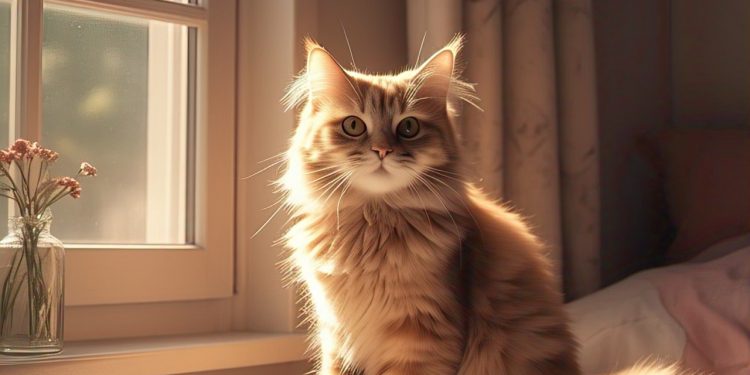
If your unspayed female cat is yowling at 3 AM, rubbing against every vertical surface, and assuming a strange crouched posture with her tail to one side, she is in heat. This is not a medical emergency, but it is a loud, messy, and stressful period for both cat and owner. Understanding the biology behind the behavior is the first step to managing it without losing your sanity.
How Long Does a Cat Stay in Heat? The Real Numbers
The feline estrus cycle operates on its own timeline. A single heat period typically lasts 3 to 7 days. If she does not mate, she will cycle out of heat briefly—usually for 7 to 14 days—and then come right back into heat. This pattern can repeat every 2 to 3 weeks during the breeding season, which in the Northern Hemisphere runs from January through October.
Indoor cats with artificial lighting can cycle year-round. I have seen cases where a cat cycled every 10 days for six months straight. That is exhausting for everyone involved.
What Determines Cycle Length?
Several factors influence duration:
- Breed: Siamese and Burmese cats tend to have longer, more frequent cycles. Persians and Maine Coons often cycle less frequently.
- Age: First-time cycles in kittens as young as 4 months old can be shorter and less intense. Cycles stabilize by 12-18 months.
- Light exposure: Cats need 12-14 hours of daylight to trigger cycling. Blocking light with blackout curtains can sometimes shorten a cycle by a day or two.
Key takeaway: If your cat has been acting “in heat” for more than 10 days straight without a break, see a vet. Prolonged estrus can indicate ovarian cysts or hormonal imbalances.
Behavioral Signs vs. Medical Problems: How to Tell the Difference
Here is the most common mistake owners make: they confuse heat behavior with pain or illness. A cat in heat is not sick. She is broadcasting her availability to every tom within a mile radius. The behaviors are specific and predictable.
The classic signs include:
- Vocalization: A distinctive, low-pitched yowl that sounds like she is in distress. It is not a meow. It is a calling sound.
- Posturing: She drops her front end, raises her hindquarters, and treads her back feet. Her tail moves to one side.
- Affection aggression: She rubs her chin and cheeks on furniture, walls, and your legs constantly. Some cats become aggressively needy.
- Urine marking: She may spray vertical surfaces with strong-smelling urine. This is not a litter box problem. It is chemical communication.
- Appetite drop: Many cats eat 30-50% less during heat. This is normal if it lasts less than a week.
Red flags that require a vet visit: vomiting, lethargy, hiding, refusal to drink water, or blood in the urine. Those are not heat behaviors. Those are symptoms of pyometra (uterine infection), urinary tract infection, or kidney issues.
Seven Things That Actually Help a Cat in Heat (and Three That Don’t)
I tested multiple calming strategies with my own foster cats over three breeding seasons. Here is what the data says works.
What Works
- Feliway or other synthetic feline pheromone diffusers. These release a synthetic version of the facial pheromone cats use to mark safe territory. One diffuser covers about 700 square feet. Studies show a 40-60% reduction in stress behaviors within 48 hours. Cost: about $25 per diffuser, lasting 30 days.
- Extra play sessions. A tired cat is a quieter cat. Laser pointers and wand toys that mimic prey movement (erratic, fast, hiding) trigger hunting instincts and burn energy. Aim for two 15-minute sessions per day.
- Heat packs or warm towels. Place a microwavable heat pack (wrapped in a towel) near her sleeping area. The warmth mimics the body heat of a littermate and can reduce restlessness.
- High places and hiding spots. Cat trees, window perches, and cardboard boxes give her a sense of control. Stress decreases when cats can choose vertical escape routes.
- Litter box management. Scoop twice daily during heat. The smell of her own urine can intensify her hormonal drive. Use an unscented, clumping litter like Dr. Elsey’s Precious Cat Ultra (about $20 for 40 pounds).
- Distraction with food puzzles. Puzzle feeders that require her to bat or manipulate to release kibble engage her brain. The Nina Ottosson line has several difficulty levels.
- Veterinary-prescribed synthetic progestins. Drugs like megestrol acetate can suppress estrus temporarily. This is a short-term solution only. Side effects include weight gain, diabetes risk, and mammary changes. Never use without a vet’s supervision.
What Does Not Work
- Cotton swabs or manual stimulation. This does not induce ovulation in cats (they are induced ovulators, but only by a tom’s barbed penis). It can cause infection and trauma. Do not do it.
- Human sedatives like Benadryl or melatonin. These are not approved for estrus suppression in cats. Dosing is guesswork, and side effects include paradoxical excitement or dangerous sedation.
- Ignoring her. She is not being difficult on purpose. Ignoring her does not stop the hormonal drive. It just makes her more frantic.
Spaying: The Only Permanent Solution — When and Why
Spaying (ovariohysterectomy) removes the ovaries and uterus. It eliminates heat cycles entirely. The procedure also reduces the risk of mammary cancer by 90% if done before the first heat, and by 50% if done after the first but before the second.
The American Animal Hospital Association recommends spaying at 5-6 months of age. However, many shelters and low-cost clinics now perform pediatric spays at 8-16 weeks. Recovery time is 10-14 days for adult cats, shorter for kittens.
Cost breakdown across the US (2026-2026 averages):
| Provider Type | Average Cost | What It Includes |
|---|---|---|
| Private veterinary clinic | $300 – $600 | Anesthesia, surgery, pain meds, cone, follow-up visit |
| Low-cost spay/neuter clinic | $50 – $150 | Same procedure, fewer frills (no cone, basic pain meds) |
| Mobile spay/neuter van | $20 – $80 | Income-based sliding scale, often includes rabies vaccine |
| Humane society voucher program | $0 – $40 | Requires proof of income; limited availability |
When NOT to spay a cat in heat: Most vets prefer to wait 2 weeks after a heat cycle ends. The uterus and blood vessels are engorged during estrus, increasing surgical risk. However, some experienced surgeons will spay a cat in heat if medically necessary (e.g., to prevent pyometra). Ask your vet about their policy.
Mistakes Owners Make During a Heat Cycle
I have seen these errors repeatedly in online forums and in my own rescue work. Avoiding them saves money, stress, and vet bills.
Mistake 1: Letting her outside to “find a mate”. Unspayed female cats allowed outdoors have a 90% pregnancy rate within one breeding season. They also face fights with toms, FIV/FeLV transmission, and injury from cars or predators. Indoor-only is the only safe option during heat.
Mistake 2: Using human hormone creams or supplements. Products like progesterone cream meant for women or over-the-counter “heat stoppers” for dogs are not tested for cats. They can cause uterine infections, diabetes, and liver damage.
Mistake 3: Assuming she will “grow out of it”. Cats do not outgrow heat cycles. They continue until spayed, become pregnant, or develop reproductive disease. A cat that cycles repeatedly without mating is at higher risk for pyometra (a life-threatening uterine infection).
Mistake 4: Punishing the behavior. Yelling, spraying with water, or locking her in a room increases cortisol and makes the cycle more intense. Punishment does not override hormones.
When Spaying Is Not an Option: Temporary Management Strategies
Some owners cannot spay immediately. Reasons include financial constraints, a cat with a heart condition that makes anesthesia risky, or a show cat whose breeding career is not yet complete. In these cases, you need a management plan that works for months, not days.
Environmental control: Blackout curtains on windows in the room where she spends most of her time. Reduce artificial light to 8-10 hours per day. This can shorten the breeding season or suppress cycling entirely in some cats.
Dietary adjustments: Feed a high-protein, low-carbohydrate diet. Hill’s Science Diet Adult Indoor Cat (about $55 for a 15-pound bag) or Royal Canin Feline Health Nutrition (about $60 for a 15-pound bag) help maintain stable blood sugar, which may reduce cycle intensity.
Veterinary hormonal suppression: Megestrol acetate (brand name Ovaban) is the only FDA-approved drug for estrus suppression in cats. Typical dose: 5 mg daily for 7 days, then once weekly. Side effects include increased appetite, weight gain, and rare cases of diabetes. A 30-day supply runs $30-$60. This is a bandage, not a fix.
Consider a foster-to-adopt arrangement: Some rescue groups will cover spay costs if you agree to foster the cat until she is adopted. This is a legitimate option if you cannot afford the surgery but want the cat out of heat permanently.
The Bottom Line on Managing a Cat in Heat
Heat cycles are a biological fact for unspayed female cats. They are not a behavioral problem you can train away. The data is clear: spaying before the first heat is the safest, cheapest, and most effective solution for 99% of cat owners. The average cost of spaying ($150 at a low-cost clinic) is less than the cost of caring for an average litter of 4 kittens ($1,200-$2,000 in vet care, food, and supplies over 8 weeks).
If you cannot spay right now, use pheromone diffusers, extra play, and environmental management to get through each cycle. Avoid the ineffective or dangerous remedies. And if you are on the fence about spaying, talk to your vet about the long-term health risks of keeping an intact female cat. The choice is yours, but the evidence points one direction.