

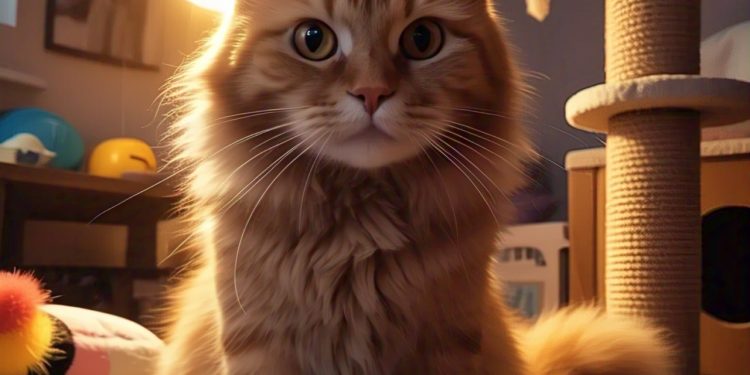
When a female cat enters estrus — commonly called “heat” — her body and behavior change dramatically. She may yowl loudly, roll on the floor, present her hindquarters, and become more affectionate or agitated. This is not a medical emergency, but it is stressful for both cat and owner. Below are seven strategies that actually work, based on veterinary behavior research and real-world experience.
1. What Exactly Happens During a Cat’s Heat Cycle
A cat in heat is not in pain. The vocalizations, posturing, and restlessness are instinctive behaviors designed to attract a tomcat. The estrus cycle in domestic cats typically lasts 4–10 days, and if the cat is not mated, it repeats every 2–3 weeks during breeding season (roughly January to October in the Northern Hemisphere).
Most female cats reach sexual maturity between 4 and 12 months of age. Queens (intact females) are seasonally polyestrous, meaning they cycle repeatedly through heat until they become pregnant or the season ends. Understanding this biology helps owners separate normal behavior from signs of illness — a cat that stops eating completely or vomits needs a vet, not comfort.
Common Misconceptions About Heat
Many owners believe their cat is suffering. While the cat is driven by hormones, she is not in physical pain. The frantic rolling and rubbing are attempts to spread scent. The constant yowling is a mating call, not a cry of distress. Knowing this changes how you respond: instead of panicking, you provide calm, structured support.
Another myth: letting a cat have one litter before spaying is healthier. The American Veterinary Medical Association states the opposite — spaying before the first heat significantly reduces the risk of mammary cancer and eliminates the chance of pyometra (a life-threatening uterine infection).
2. Environmental Adjustments That Reduce Stress
The most immediate thing you can do is change the cat’s environment. A cat in heat is hyper-aware of male cats outside. If she sees or smells one, her behavior escalates.
Block visual access. Close blinds and curtains, especially at windows and doors. If she can’t see roaming males, her hormonal drive has fewer triggers. Some owners report that blackout curtains reduce yowling by 40–50% within 24 hours.
Increase vertical space. Cat trees, shelves, or window perches let her climb and observe from above, which is naturally calming for felines. The Molly and Friends 63-inch Cat Tree ($89) or the Feandrea 72-inch Multi-Level Cat Tower ($110) provide multiple perches and hideaways. Place them away from doors and windows.
Create a safe room. Choose a quiet room with no windows or covered windows. Add her bed, litter box, water, and a few toys. Spend 15–20 minutes with her in that room multiple times a day. This reduces her need to wander and yowl through the house looking for an exit.
Temperature and Comfort
Some cats in heat seek warm or cool surfaces. Offer a heated cat bed (like the K&H Pet Products Thermo-Kitty Bed, $45, 4-watt heating pad) or a cooling mat (the Green Pet Shop Self-Cooling Mat, $30). Let her choose. A comfortable body temperature often reduces restless pacing.
3. Pheromone Therapy: Feliway and Similar Products
Synthetic feline facial pheromones mimic the calming signals cats produce when they rub their cheeks on objects. These products do not sedate the cat — they create a sense of safety and familiarity.
| Product | Type | Price | Coverage | Duration |
|---|---|---|---|---|
| Feliway Classic Diffuser | Plug-in diffuser | $28 (starter kit) | 700 sq. ft. | 30 days per refill |
| Feliway Classic Spray | Spray | $16 (60ml) | Spots only | 2–3 hours per application |
| Composure Pro Chews | Oral supplement | $22 (60 chews) | N/A | 4–6 hours per chew |
Place a Feliway diffuser in the room where the cat spends most of her time. For acute episodes — loud yowling at 3 a.m. — spray Feliway on her bedding or a soft cloth near her. Clinical studies show a 30–50% reduction in stress-related behaviors in cats exposed to synthetic pheromones.
Composure Pro Chews contain L-theanine and colostrum calming complex. They are not sedatives. One chew can take the edge off within 30 minutes. These are safe for daily use but should not replace veterinary guidance.
4. Physical Activity and Interactive Play
A cat in heat has excess energy. Directed play can channel that energy into healthy activity rather than anxious pacing.
Use wand toys with high prey mimicry. The GoCat Da Bird Wand ($12) with a feather attachment mimics bird flight. The PetFusion Rainbow Cat Charmer ($9) has a long wire with a toy at the end. Move the toy in unpredictable patterns — fast, then slow, then hiding behind furniture. Aim for 10–15 minutes of intense play twice a day.
Laser pointers are controversial. Some cats become frustrated because they cannot catch the light. If you use a laser, always end the session by landing the dot on a physical toy the cat can pounce on and bite. The Catit Senses 2.0 Laser Toy ($15) includes a safety timer that shuts off after 15 minutes.
After play, offer a small meal. The sequence of hunt-catch-kill-eat is deeply satisfying for cats. A full belly often triggers sleep, giving you and your cat a few hours of quiet.
When NOT to Force Play
If the cat is already overstimulated — ears flattened, tail lashing, pupils dilated — do not try to engage her in play. Back off. Give her space. Forced interaction will escalate her agitation. Let her approach you when she is ready.
5. Distraction Through Scent and Sound
Cats process the world largely through scent and sound. Introducing novel but safe smells can shift her focus away from mating instincts.
Catnip works on about 60% of cats. For those that respond, catnip induces a temporary state of euphoria followed by relaxation. Offer dried catnip in a small bowl or a stuffed toy. The KONG Catnip Toy ($8) or SmartyKat Crinkles Catnip Toys ($6) are durable options. Note: catnip may overstimulate some cats in heat, so test with a small amount first.
Silver vine is a more potent alternative. Studies suggest it affects 80% of cats, including many that do not respond to catnip. The Silver Vine Stick from Yeowww! ($7) is a simple product. Let the cat chew and rub on it for 10–15 minutes.
Calming music designed for cats exists. Music for Cats by David Teie (available on streaming platforms) uses frequencies and tempos that match feline purring and suckling rhythms. Play it at low volume in her safe room. Many owners report that within 20 minutes, their cat settles into a relaxed posture.
6. When NOT to Comfort: Signs That Require a Vet Visit
Most cats in heat do not need medical intervention. But certain symptoms mimic heat behavior while indicating a serious problem. Knowing the difference can save your cat’s life.
Pyometra is a uterine infection that can kill a cat within 48 hours. Symptoms include:
- Lethargy and hiding (the cat does not want attention)
- Vomiting or diarrhea
- Drinking excessive water and urinating frequently
- Foul-smelling vaginal discharge (may be bloody or pus-like)
- Swollen abdomen
If your cat in heat suddenly stops eating, becomes lethargic, or has a fever (above 102.5°F), do not wait. Take her to a veterinarian immediately. Pyometra requires emergency spaying and intensive antibiotics.
Urinary tract infections can also cause restlessness, crying, and frequent squatting — all behaviors that mimic heat. If your cat is straining to urinate, producing only small amounts, or there is blood in the urine, a vet visit is necessary. A simple urinalysis costs around $50–$80 and can rule out infection.
Ovarian cysts can cause prolonged or irregular heat cycles. If a cat stays in heat for more than 14 days continuously, or cycles every week for months, an ultrasound may be needed. Treatment often involves spaying.
7. The Permanent Solution: Spaying
Every strategy above is a temporary measure. The only permanent way to stop heat cycles is spaying (ovariohysterectomy). This is a routine surgery performed under general anesthesia. The cat’s ovaries and uterus are removed, eliminating the production of estrogen and progesterone that drive heat behavior.
Timing matters. Most veterinarians recommend spaying at 5–6 months of age, before the first heat. However, spaying can be done at any age. A cat currently in heat can still be spayed, though some vets prefer to wait until she is out of heat because the uterus is more engorged with blood, increasing surgical risk slightly. Discuss this with your vet.
Costs vary by region. In the United States, a standard spay at a private vet clinic costs $200–$500. Low-cost clinics and animal shelters often offer spaying for $50–$150. Programs like the ASPCA’s Spay/Neuter Alliance provide vouchers in certain areas.
Health benefits extend beyond behavior. Spaying before the first heat reduces the risk of mammary cancer by 91%. It eliminates the risk of pyometra, ovarian cancer, and uterine cancer. The average lifespan of a spayed female cat is 2–3 years longer than an intact cat, according to a 2013 study published in the Journal of Feline Medicine and Surgery.
Behavioral changes after spaying. Within 2–4 weeks, estrogen levels drop to near zero. Yowling, rolling, and restlessness stop completely. The cat will not go into heat again. Some cats become slightly calmer overall, but personality remains largely the same. The myth that spaying makes cats lazy is false — weight gain is caused by overfeeding, not the surgery.
When Spaying Is NOT the Answer
If you plan to breed your cat, spaying is not appropriate. However, responsible breeding requires health testing, genetic screening, and preparation for potential complications. Most pet owners should not breed their cats — there are already millions of cats in shelters.
If the cat has a pre-existing health condition that makes anesthesia risky, your vet may recommend delaying or avoiding surgery. In those rare cases, long-term management with pheromones, environmental control, and possibly hormonal medications (like megestrol acetate, which carries its own risks) may be discussed.
No cat should suffer through repeated heat cycles indefinitely. If you cannot afford spaying, contact a local rescue or shelter. Many offer financial assistance or sliding-scale fees. This is not legal advice — consult a licensed veterinarian for your cat’s specific situation.